
Fake Reviews: UK Legislation is Coming
Any company can easily and cheaply exaggerate their popularity and trustworthiness with hundreds of fake reviews, and many do. Up until recently, there have been no consequences for this unethical practice. But now, in the UK and many countries across the world, legislation is coming.
Chances are if you’ve read reviews you may have spotted some that look like this:

Something is off – but often it’s hard to tell what. In this case it’s fairly obvious. These reviews were purchased and the review faker has left a “}” at the end of each review to signal to the restaurant owner that those reviews were purchased (and are due a payment). Typically each one of these reviews costs between £2 and £5 and are purchased in bulk.
This may be simple to spot, but the problem is that in time these obviously fake reviews will become buried deep in history while their 5 stars still contribute to the score.
We’ve become resigned to this state of affairs. Fake news, fake dating profiles, fake reviews, fake products, fake companies. Since the advent of the internet, knowing who you can trust has been a pervasive problem.
Review fakery is becoming more sophisticated and it’s increasingly difficult to tell which reviews are real and which are fake. Modern fake review techniques range from hiring fake review brokers to using AI to write reviews. Even marketing and PR agencies will write fake reviews on behalf of clients.
Nowadays any unscrupulous company can easily and cheaply exaggerate their popularity and trustworthiness with hundreds of fake reviews, and unfortunately many do.
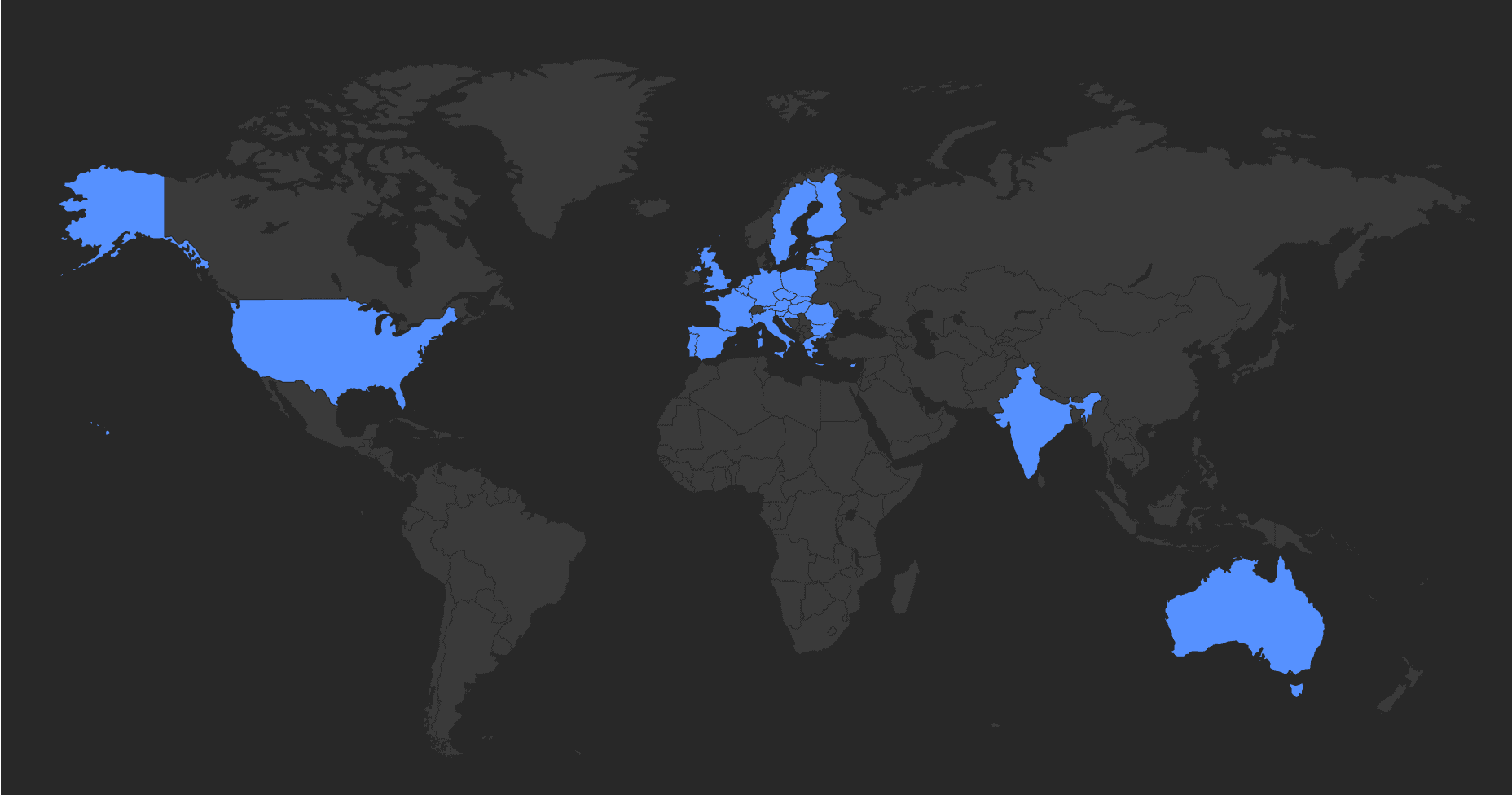
Upcoming legislation countries
But this must be illegal, right? Yes, but they currently fall under outdated ‘false advertising’ laws which are rarely enforced.
But not all hope is lost.
Review-specific legislation is coming. In Ireland, the Consumer Rights Act 2022 has already been signed into law. It prohibits businesses from posting false reviews or paying someone to do so on their behalf. More countries are in the process of making review fakery illegal.
This list includes India, the United States, the European Union, Australia and the United Kingdom.
In April 2022 the UK government announced the DMCC Act, which is forthcoming legislation to tackle the increasing prevalence of fake reviews.
Here’s our analysis of the legislation.
What is a Fake Review?
A fake review is any action taken by a business to artificially increase its own review rating or negatively affect the rating of a competitor. This can be done manually by the businesses themselves or on a broader scale by a fake review broker, marketing agency, or even with the help of bots and computer-generated reviews.
Offending businesses can be fined up to 10% of their global turnover. Individuals can be fined up to £300,000.
Fake Review Legislation in the UK
The issue of fake reviews prompted the government to issue new legislation targeting fake reviews and other consumer protection issues. The legislation will give the Competition and Markets Authority (CMA) power to crack down on review fakers.
This new law is designed to protect consumers and instil more trust between them and businesses. The DMCC Act is expected to become law in the summer of 2024.
The legislation will make it illegal for businesses to pay someone to write or host fake reviews, and review websites will have to take reasonable steps to ensure the reviews they host are genuine.
When the new legislation is introduced, the CMA will be able to directly enforce this law, which includes issuing fines of up to 10% of turnover.
So with all this in mind, it is unsurprising that legislation is coming. In Ireland, the Consumer Rights Act 2022 has already been signed into law which prohibits businesses from posting false reviews or paying someone to do so. With more countries announcing intentions to pass their own legislation, UK legislation is no longer a question of what, but when, and brands will need to be prepared.
FAQs: The Legislation Explained
What will it cover?
- Fake Reviews: Paid reviews will now be illegal to write or host.
- Subscriptions: Subscription terms will have to be clear and easy to cancel.
- Free trial offers: Free trial offers will have to be clear and easy to cancel.
- Contracts: Companies will have to be transparent with customers about contract terms, including how to renew or exit.
Who is passing the legislation?
In April 2022, the government announced that it will issue this legislation, giving the Competition and Markets Authority the power to enforce it. They are an independent non-ministerial department responsible for strengthening business competition and preventing anti-competitive activities.
When will it pass?
There is no precise date on when this legislation will come into effect. A date will be announced following parliamentary approval. With many countries introducing similar legislation (USA, India, Australia and the European Union), it is very likely to gain approval.
What are the penalties?
Offending businesses can be fined up to 10% of their global turnover. Individuals can be fined up to £300,000.
Who will be punished?
Both businesses and review hosting platforms (e.g. OpenTable and Trustpilot) can be punished for writing or hosting fake reviews. The government has said that mergers will be exempt from review by the CMA where each party’s UK turnover is less than £10 million.
How TruthEngine® can help
Our artificial intelligence technology can detect whether reviews are fake to a high degree of accuracy. We work with authentic brands by auditing their reviews on a continual basis, extracting meaningful information and actionable insights. Then we award trustworthy brands our TruthMark. It serves as a signal to the public about which reviews can be trusted.
Get in touch with us at business@truthengine.com if you have any questions regarding the new legislation and how to protect your business.
What is a fake review?
A fake review is any action taken by a business to artificially increase its own review rating or negatively affect the rating of a competitor. This can be done manually or via fake review brokers, marketing agencies, bots, or computer-generated content.
77% of people always or regularly read reviews before making a purchase. However, many reviews are fake, making it difficult to know who to trust. In some categories, more than half of reviews may be inauthentic.
Countries including the US, India, Ireland and the EU have announced legislation to tackle this issue. This signals a broader shift toward restoring trust and accountability in online reviews.
Written by Ella Patenall on January 6, 2023
Related Posts
TruthEngine® launches DMCC compliance audit as CMA steps up enforcement
Daniel Mohacek
-August 10, 2026
Up to 50% of Online Reviews May Now Be Fake in Some Sectors
Andrew Winton
-March 3, 2026
Why the TruthEngine® Exists
Daniel Mohacek
-February 18, 2026